


Ransomware in South African Businesses: How to Protect Your Data Before It’s Too Late
What Is Ransomware and Why South African Businesses Should Care
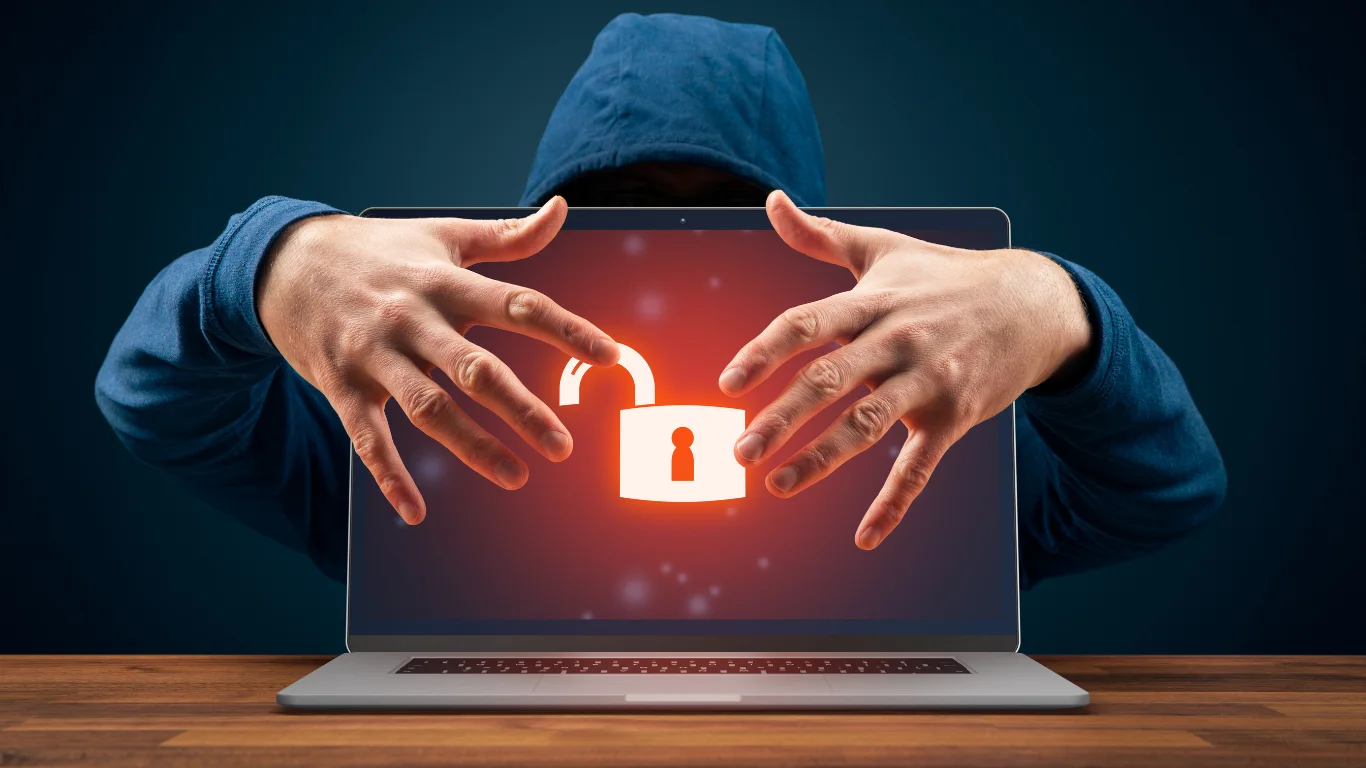
Ransomware is one of the fastest-growing cyber threats targeting businesses worldwide, and South African businesses are increasingly in the crosshairs. It’s a type of malware that locks your company’s data or systems and demands payment to release it.
In the past year, South African companies in the finance, logistics, retail, and education sectors have been affected. A recent example is a Gauteng logistics firm that experienced a three-day shutdown, resulting in operational chaos and financial loss. Unfortunately, small to medium-sized businesses (SMBs) are often the easiest targets due to weaker cybersecurity protocols.
How to Protect Your Business from Ransomware: Step-by-Step
At Ativo ICT, we believe that ransomware protection starts with layered prevention. Here’s how you can strengthen your cybersecurity and protect your business data:
1. Educate Your Employees
Your team must serve as the first and most vigilant line of defense against ransomware threats.
- Teach staff how to spot phishing emails and suspicious links.
- Conduct regular cybersecurity awareness training.
- Encourage a “Think Before You Click” culture.
Tip: Simulate phishing emails quarterly to test employee readiness.
2. Back Up Your Data The Right Way
Without a secure, recent backup, a ransomware attack could quickly become catastrophic.
- Use automated daily backups stored in the cloud and off-site.
- Follow the 3-2-1 backup rule: 3 copies, 2 types of storage, 1 offsite.
- Test your backups regularly to ensure they’re working.
Businesses with proper backups avoid paying the ransom and recover faster.
Outdated systems and software are prime entry points for cybercriminals—leaving you exposed.
- Enable automatic updates for operating systems and antivirus programs.
- Replace unsupported software and operating systems immediately.
- Update all firewalls, routers, and firmware on a regular basis.
4. Use Multi-Factor Authentication (MFA)
MFA adds an extra layer of security to your accounts, even if your passwords are stolen.
- Activate MFA for email, cloud systems, and admin panels.
- Use apps like Microsoft Authenticator or Google Authenticator.
- Avoid using SMS-based MFA for sensitive systems whenever possible.
5. Limit Access and Privileges
Don’t let ransomware spread like wildfire through your network.
- Apply user access controls to grant access only to what’s necessary.
- Limit admin privileges to IT staff only.
- Monitor login locations and devices for suspicious activity.
6. Create an Incident Response Plan
If an attack happens, a clear plan helps reduce panic and damage.
- Know who to contact internally and externally.
- Have a cyber incident checklist and recovery strategy.
- Inform employees to report issues immediately, not after the fact.
Real Lessons from Recent Attacks in SA
- A small Johannesburg accounting firm paid over R250,000 in ransom after a junior staff member unknowingly opened a malicious attachment.
- A Durban logistics company lost weeks of data because its backup system hadn’t been tested in over a year.
These local examples demonstrate that prevention is always more cost-effective than recovery.
Don’t Wait Until It’s Too Late
Whether you’re a start-up or a well-established SME, cybersecurity is a business essential, not a luxury.
At Ativo ICT, we help South African businesses take practical steps to prevent, detect, and recover from ransomware attacks. Let us help you assess your risk, secure your systems, and protect your data.